
Bio-Ethanol – formed out of corn is what researchers in Europe wish to take on, preferring wheat as a cereal, for the grain alcohol.
The effect of globalization, easily defined – soaring costs of all supplies. Consequence of producing bio-ethanol, easy – food crops grown to fuel cars, while millions starve – is this why the almighty created you and me, so that we lived out our bit lavishly without caring for nonentity?
Ethanol is a clean burning fuel from renewable sources (corn and such other starch based crops) produced domestically, making a country partially self-sufficient, reducing its heavy dependence on foreign oil demands (though, increasing its foodgrain demands). The grain alcohol, ethanol is blended with gasoline to charge those green automobile engines, at lower costs and emissions.
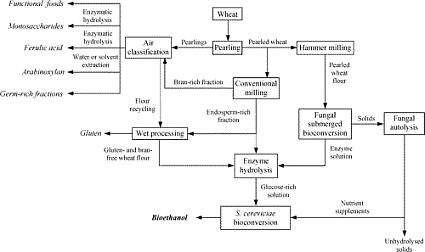
Producing wheat-based biofuel is a conventional method, considered inefficient and intricate, but soon wheat is projected as the next ingredient on the composition list of bio-ethanol production. Researchers in Greece and the United Kingdom report the development of a new method for producing ethanol from wheat that is cheaper and more efficient than the orthodox technique.
Apostolis Koutinas and colleagues have created this simplified bio-refining method that is easier, consumes lesser energy and generates fewer waste products. They believe the process will yield different fractions enriched in wheat germ and proteins, which could boost incomes of bio-refineries, as the oil prices rise and bio-ethanol demand meet an up thrust. With wheat being widely cultivated in the EU, there is no doubt that in spite of low pricing of other necessary cereals, the former will form a major constituent of ethanol.
The proposed process that validates the possibility of combining starch hydrolysis and fungal autolysis in the same unit operation for the production bio-ethanol is seen as a substitute for the traditional dry milling of wheat that is the presently employed mechanism in industries.
All said and done, the technology may be significant but this switch of food crops as fuel crops will take land out of food production, thereby increasing the prices of the former, taking them beyond the common man’s reach. The growing food prices will surely benefit the large-scale farmers, but will fall heavily on the poorer countries that import food and also on the urban poor.
[Source: Biopact]