

Transportation accounts for nearly 20% of global CO₂ emissions, according to the International Energy Agency, making it one of the most critical sectors to rethink in the fight against climate change. Fortunately, innovation is transforming the way we move, introducing technologies and systems that are faster, cleaner, and more sustainable than ever before.
Smarter Cities, Smarter Commutes
Urban areas are leading the charge in transportation innovation. AI-powered traffic systems now adjust light cycles based on real-time congestion, reducing idle times and cutting unnecessary emissions. Meanwhile, integrated public transit apps help commuters combine buses, trains, bikes, and walking routes into seamless, low-impact journeys.
These tools not only save time but also encourage more people to leave their cars at home. By shifting even a small percentage of commuters to sustainable options, cities can significantly reduce air pollution and create more livable urban spaces.
Electric Mobility on the Rise

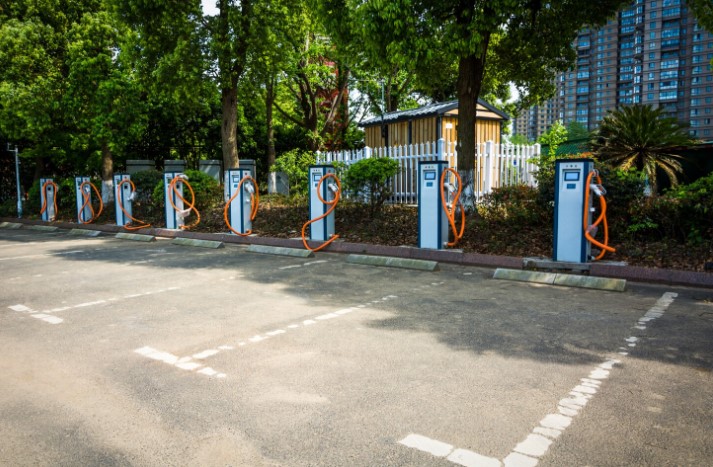
Electric vehicles (EVs) are quickly moving from niche to mainstream. With battery technology improving and charging networks expanding, EVs now offer greater range, shorter charging times, and lower lifetime costs. Many cities are also introducing electric buses, taxis, and delivery fleets, significantly reducing urban air pollution.
Beyond cars, electric scooters, bikes, and even ferries are gaining popularity, providing eco-friendly options for short- and medium-distance travel. This variety ensures that greener transport isn’t limited to those who can afford a new car, but is accessible to everyday commuters.
Greener Long-Distance Transport
Sustainability efforts extend well beyond city limits. High-speed rail projects are gaining traction worldwide, offering a cleaner alternative to air travel for medium-distance trips. Hydrogen-powered trains and biofuel aircraft are also emerging as part of a greener long-distance travel network.
In logistics, efficient freight solutions are helping to reduce the environmental footprint of goods movement. For example, when it comes to moving personal vehicles across states, modern services for Georgia vehicle transportation now incorporate route optimization and energy-efficient carriers to minimize emissions during transit, helping individuals and businesses reduce their carbon footprint without sacrificing convenience.
The Role of Shared Mobility
Car-sharing, ride-hailing, and bike-sharing programs have become integral to sustainable travel strategies. By maximizing the use of existing vehicles, these services help reduce the number of cars on the road, freeing up space and cutting pollution.
Many shared mobility platforms are also shifting toward all-electric fleets, multiplying their environmental benefits while offering affordable transportation for urban residents.
Looking Ahead: Autonomous and Connected Systems
The next wave of innovation will see autonomous vehicles and connected infrastructure working hand in hand. Self-driving electric shuttles could replace some public bus routes, while vehicle-to-vehicle (V2V) communication could help traffic flow smoothly and safely.
When paired with renewable energy sources, these systems could create a transportation ecosystem that is both highly efficient and environmentally friendly, paving the way for a future where mobility is truly sustainable. By embracing these changes, we can move toward a future where travel doesn’t just take us where we want to go, it helps preserve the planet along the way.