

Industry has always depended on chemical processes, whether for manufacturing, agriculture, or energy production. These methods have delivered incredible progress, but they’ve also left behind a trail of challenges. Pollution, hazardous waste, and resource depletion are just a few of the consequences of practices that were developed without environmental sustainability at the forefront. As our understanding of ecological systems deepens, the need for cleaner chemical practices has never been more urgent.
The Environmental Consequences of Traditional Practices
Traditional chemical approaches often placed efficiency and cost above long-term environmental health. Factories releasing untreated waste into rivers or relying on fossil-fuel-heavy reactions have contributed to serious ecological harm. Toxins in waterways affect both human communities and aquatic life, while contaminated soils reduce agricultural productivity for generations. Equally concerning is the depletion of resources: mineral extraction, water use, and energy-intensive reactions have often damaged habitats and pushed delicate ecosystems towards collapse.
Why Cleaner Practices Are Essential
The shift toward greener methods is being driven by multiple factors. Governments around the world are enforcing stricter regulations, recognizing that unchecked chemical use leads to unsustainable outcomes. At the same time, consumers are more environmentally conscious than ever, often choosing brands that take responsibility for their ecological footprint. Businesses have realized that sustainability is not simply a public relations strategy but a key driver of long-term resilience. Cleaner processes are also proving to be more efficient, saving costs by reducing waste, lowering energy use, and improving yields.
How Industry Is Adapting

The principles of green chemistry provide a clear roadmap. They encourage designing chemical products and processes that minimize toxicity, reduce waste at the source, and make use of renewable materials. In practice, this might mean replacing solvents with safer alternatives, refining manufacturing so that byproducts are reused, or investing in energy-efficient equipment. Alongside these changes, advances in waste treatment and sustainable sourcing help protect ecosystems while encouraging circular systems where resources are reused rather than discarded.
How Important Is High-Quality Lab Equipment?
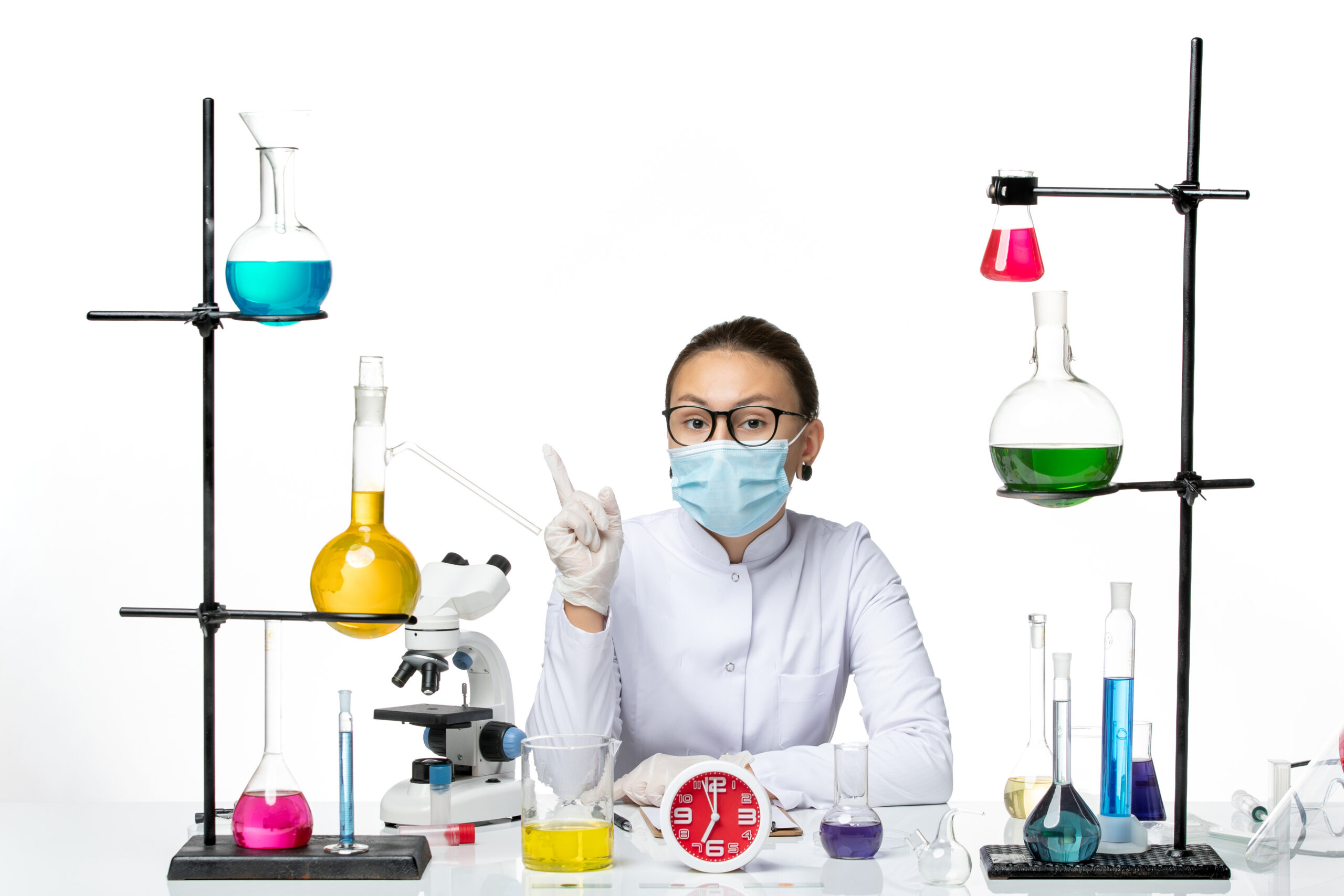
Behind every innovation in cleaner chemical practices lies careful testing and research. Laboratories play a central role in developing processes that reduce harmful outputs while maintaining industrial efficiency. Precision tools, such as spectrometers, centrifuges, and chemical storage systems, ensure that experiments are conducted safely and accurately. Access to reliable lab equipment enables researchers to explore safer formulations, refine reaction conditions, and validate results, all of which are essential steps in scaling sustainable practices from the lab bench to full-scale industry.
The Broader Benefits of Cleaner Chemical Innovation
Cleaner chemical practices create benefits that extend far beyond industry walls. They support ecosystem health by keeping air and water free of harmful pollutants. They protect public health by reducing exposure to toxins. They also bring economic rewards: efficiency improvements lower production costs, while environmentally responsible practices strengthen community and regulatory relationships. Perhaps most importantly, cleaner practices contribute to global climate commitments, helping nations work towards reducing emissions and protecting the planet for future generations.
Closing Thoughts
Moving from industrial tradition to innovation is not just about adopting new technologies but about rethinking how we value the relationship between production and the planet. Cleaner chemical practices are proof that progress and responsibility can work hand in hand. With forward-thinking approaches and the support of dependable tools like advanced lab equipment, industries can create sustainable systems that serve both society and the environment.