
As someone who has always been curious about how things around me work, I’ve come across countless discussions on energy consumption. Through my experience, I’ve realized that separating fact from fiction can sometimes be challenging. Unraveling these myths not only gets one a step closer to understanding energy use better but also helps make informed choices in daily life.
Myth 1: Bigger Homes Automatically Mean Higher Energy Bills
A few years ago, when I first moved into a larger space, I was almost certain our energy bills would skyrocket. After all, a bigger home means more rooms to heat or cool, right?
However, this isn’t always the case. Newer, larger homes often come equipped with modern insulation, efficient HVAC systems, and energy-smart appliances that offset increased living space. On the flip side, older houses, though smaller, might not be as efficient, leading to higher costs despite their size.
It’s essential to consider the design and layout of a home as well. Large windows, for instance, might offer wonderful views but can lead to thermal loss if they aren’t double-glazed. Strategically planting trees around a home can provide shade, reducing reliance on air conditioning during warmer months, proving that it’s not just the size, but how you manage the space that counts.
Considering energy efficiency is vital in every aspect of home design, including effective heating and HVAC services which are available from local companies like Nichols in Arizona. Opting for a more energy-conscious setup can significantly reduce energy bills, regardless of the home’s size, making it a smart investment for any homeowner.
Myth 2: Setting the Thermostat Higher Heats Your Home Faster
When the temperatures dip, it’s tempting to crank the thermostat to warm things up quickly. I’ve done it, only to learn it’s an ineffective approach.
Modern heating systems function at a consistent rate, regardless of how much you adjust the thermostat. Pushing it upwards will only make the system run longer to reach the temperature you’ve set, which actually results in more energy consumption, not less. Patience is key!
Consider using programmable thermostats to maintain a steady indoor climate efficiently. By setting the thermostat to a lower temperature overnight or when no one is home, wasted energy use can be significantly reduced. This simple adjustment can make living spaces comfortable while also cutting down on energy expenses without even noticing.
Myth 3: Leaving Your Appliances in Standby Mode Saves Energy
It was a regular weekend morning when I first heard my friend swear that leaving devices on standby would reduce electricity bills. Until then, I’d believed that too, just because, well, everyone seemed to say it.
However, this claim doesn’t hold up. Devices on standby are not truly ‘off.’ They still consume power, ensuring they’re ready to spring back into action at a moment’s notice. While individually these may seem negligible, collectively they contribute significantly to household energy consumption. Just imagine your TV, computer, and gaming consoles all sipping power even when idle!
Beyond the monetary impact, leaving appliances on standby also contributes to the overall carbon footprint of a household. Electric power plants, many of which still rely on fossil fuels, work tirelessly to feed the energy demand. By minimizing standby consumption, one can contribute to the broader goal of responsible energy use.
Myth 4: Hand-Washing Dishes Saves More Energy Than Dishwashers
Growing up, I often helped with the dishes, believing we were conserving energy by doing them manually. To our surprise, we found out later that this wasn’t necessarily true.
In contrast to popular belief, dishwashers are designed to use water and energy more effectively than our two hands can manage. They use a recirculation system to clean efficiently with less water. For households with many dishes, using a dishwasher on full loads is often a more efficient method than hand-washing several smaller batches.
In addition, while it might seem like a significant upfront investment, upgrading to an energy-star-rated dishwasher can bring noticeable savings in utility bills over time. These appliances not only reduce water usage but also cut down on the need for heated water, which is often the most energy-intensive aspect of dishwashing.
Myth 5: Solar Panels Only Work When It’s Sunny
I confess, there was a time when I assumed solar panels were only functional under clear skies. Like many, the sight of dark clouds made me skeptical about their effectiveness.
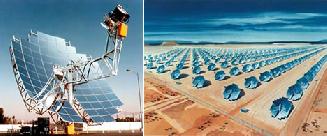
Solar panels indeed work best under direct sunlight, but they still function when it’s cloudy. These panels capture diffuse radiation from the sun, meaning they’re capable of generating power even during overcast days. Depending on the quality of the panel and geographic location, the energy output might drop, but it doesn’t come to a screeching halt.
Moreover, advancements in solar technology have led to the development of panels that can harness even more energy during less-than-ideal conditions. Homeowners have a broader range of options, enabling solar power usage across diverse regions with different weather patterns, ensuring clean energy availability throughout the year.
Realizing and Rectifying
Dispelling these myths in my personal journey has been both enlightening and frustrating. It’s easy to fall for widely held misconceptions, but challenging them is rewarding in finding the truth. Armed with facts, we can make smarter choices, leading not only to potential savings but also positive impacts on the planet.