

The cornerstone of Scotland’s policy on climate change is the aim to achieve net zero emissions by 2045, which in practice means that a raft of industries will need to make a laundry list of changes, some of which are already underway. How normal people experience this process will differ depending on their lifestyle, but the most noticeable impacts will no doubt be in the home. Here’s what’s happening, and how residents of Glasgow will be affected.
Heating & Insulation
An important aspect of the national climate policy from a Glasgow homeowners’ perspective is the Heat in Buildings Strategy, which aims to make at least 1 million properties reliant on renewable energy for heating by 2030.
Both new buildings and existing buildings are targeted as part of this initiative, and so while homes built from scratch today must be equipped with technology that means they produce zero direct emissions, retrofitting established housing stock with the means to minimise their carbon footprint is also necessary.
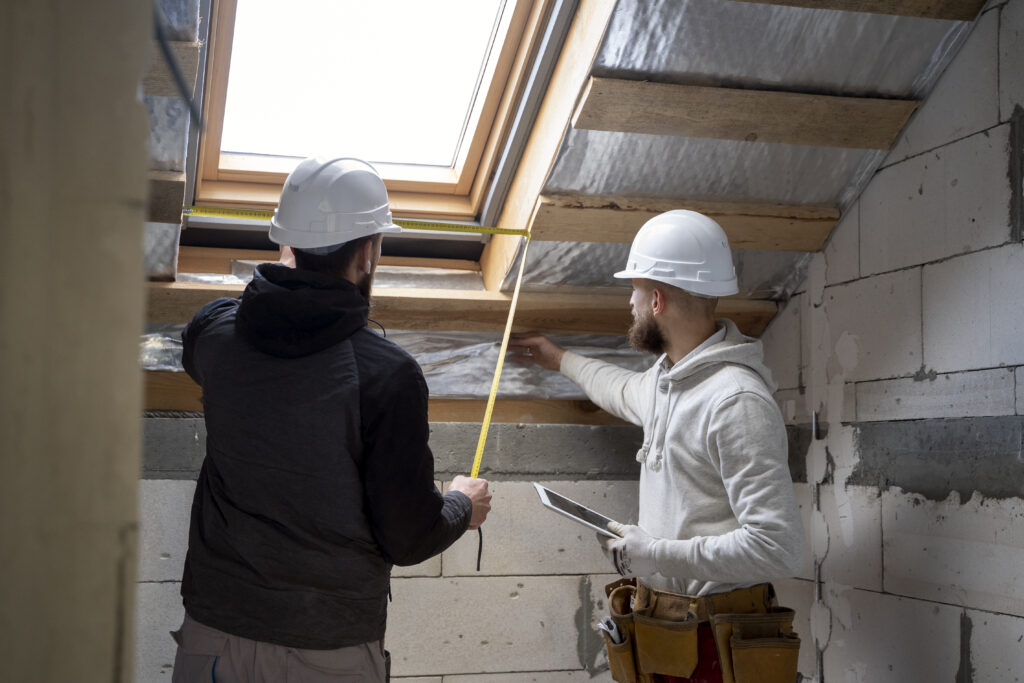
Aside from the heating systems, homes in Glasgow need adequate insulation to ensure the heat generated within them isn’t wasted. Getting composite doors fitted in Glasgow to replace older units and addressing other issues like single-glazed windows and cavity wall insulation will enable residents to overcome efficiency concerns.
For those living in the iconic tenement flats that are such an iconic part of Glasgow’s architectural heritage, different approaches are needed. The introduction of heat networks has been proposed by Glasgow City Council as a suitable solution, with the concept involving multiple tenement buildings being heated via a central source of low-carbon energy, as opposed to being treated as separate units.
Coping with Costs
Another critical part of how Scotland is dealing with the climate emergency that applies to people living in Glasgow is that the country is aiming for what’s known as a Just Transition. In simple terms, it’s a means of recognising that the poorest households are exposed to the greatest risk of experiencing fuel poverty because of climate change, and are similarly hamstrung by the expense of making the necessary adaptations to their homes which would improve energy efficiency and thus drive down the costs of heating them.
Intervening and assisting in a targeted way, both for low-income households and those with elderly residents, is happening across the city and the country. This includes the provision of financial aid to cover necessary home upgrades and support with bill payments as needed.
Adjacent Impacts
Life in Glasgow is being altered by national climate policies in other ways apart from how homes are heated and insulated. From a transport perspective, the city’s Low Emissions Zone has caused residents to rethink how they get around the centre. Those who do choose to adopt a zero-emission vehicle must also consider the costs and complexities of installing a charging point at home.
Likewise, Glasgow’s waste management setup is informed by the national drive to maximise recycling and make the economy more circular. So the separation of materials and the end of single-use plastics as an option in a range of contexts continues to alter daily existence. Knowing what’s happening locally and nationally is important for all Glasgow households, and from a climate perspective, there’s a lot of overlap.