
Eco Factor: Zero-emission UAVs being developed to enhance their abilities and reduce their impact on the environment.
The Office of Naval Research (ONR) has sponsored a program to help tactical decision makers get better and much more detailed information from their “eyes in the sky.” The ONR is funding a project to develop the next-gen UAVs that run on fuel cells and can go further with heavier payloads, and are able to gather information while being nearly undetectable from the ground.
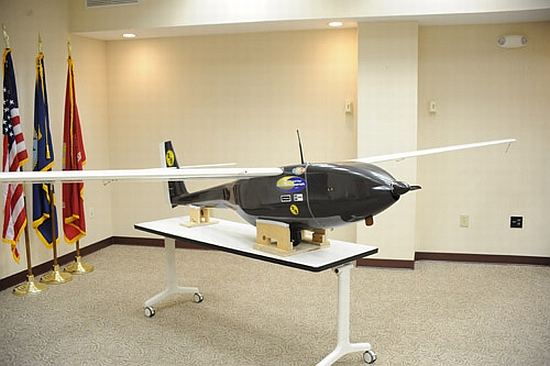
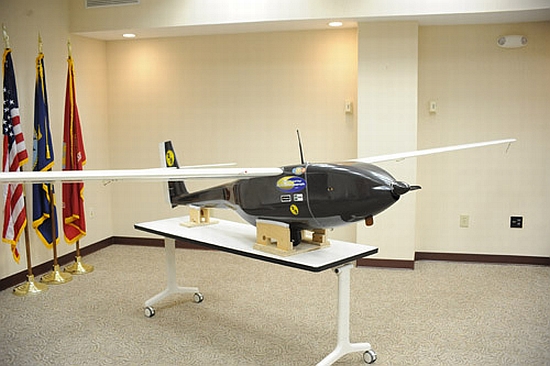
The latest technology for the program is being showcased by Ion Tiger, which has developed a UAV that runs of fuel cells and can go farther than any other UAV in operation today. The UAV makes use of stealthy characteristics due to its small size, reduced noise, low heat signature and above all zero emissions. The flight trail of the UAV is expected to exceed the duration of the previous flights seven-fold, which will give an idea of the capabilities of hydrogen fuel cell technology.
The researchers associated with the project have stated that the “first of its kind” demonstration will have the UAV in air for a 24-hour endurance flight, while carrying a 5-pound payload. The test is expected to test the skills of the UAV to its limits. Researchers have also stated that they’ve tweaked the hydrogen fuel cells that are being used in cars for the operation, as fuel cells for the specific job are not available. The fuel cells will provide 500 watts of green power to the UAV, which will power it for a much larger operational range.
The Dark Side:
The research is in its concept states, and the use of fuel-cell UAVs is still a couple of years away. Moreover the payload capacity of just 5 pounds is not what the military would want in their next-gen UAVs.
Via: Physorg